


Experiential learning
Experiential learning, the cornerstone of Virginia Tech's Bridge Experiences Program, builds skills, knowledge, and resumes. Find your bridge to the future through undergraduate research, study abroad, internships, co-ops, and other real-world experiences.
Students presenting their research as part of the Virginia Tech Undergraduate Research in Computer Science (VTURCS). Photo by Peter Means for Virginia Tech.

At Virginia Tech, undergraduate students have a range of opportunities to collaborate with faculty on research. The College of Engineering maintains a database of projects offered in all engineering departments. Computer science students are encouraged to explore interdisciplinary projects in engineering education, FinTech, and data science, among others. Learn more at the Virginia Tech Office of Undergraduate Research.
- Undergraduate research: Typically creates an artifact such as a paper, presentation, or technical product as a result of research done with faculty supervision.
- Independent study: Typically delves deeper into a topic covered in a regular course and allows students to study topics of particular individual interest.
The Virginia Tech Undergraduate Research in Computer Science (VTURCS) program provides opportunities to work with faculty and peers to discover and innovate. Each Spring, the VTURCS program holds a research symposium where students present their work to faculty, industry partners, and peers. Faculty list their research opportunities for students to review and apply in the fall semester.
CS Job Hub is one-stop shop for students to review professional development opportunities, internship and job postings, research projects and create profiles to be matched with as new items are added. A group of graduating seniors built this system as part of their software engineering capstone class, and it continues to help students to build their career readiness.
BURGs' offers students a chance to work together to meaningfully contribute computer-driven solutions in service to society and promote the progress of computer systems research.
BURGs offers a variety of projects including Computer Systems Genome, computing performance for machine learning, security and privacy in augmented reality systems, and ransomware detection.
IDPro and IDC are led by the Department of Engineering Education and bring together students from across the College of Engineering to participate in research that spans various engineering disciplines.
The IDPro program, designed for students in their sophomore and junior years, allows students to contribute to client-based projects that span multiple semesters, gaining valuable professional skills and experiences. Students engage in hands-on work that includes design, development, and implementation, all while making a difference in the community and beyond. To ensure student success, the program offers project funding, designated workspace, and mentorship from academic and industry professionals. Brief training sessions, structured support, and feedback from public sector or industry liaisons guide students through the design process and enhance the learning experience.
The IDC program, designed for graduating seniors, allows students to collaborate with peers from different disciplines, reflecting their future work environments. Teams of students work on projects sponsored by industry, faculty, collegiate competitions, or community and nonprofit groups. Typically, IDC lasts for two semesters, and computer science students can earn up to six credits to use toward their capstone and technical elective degree requirements.
Our faculty lead groundbreaking research in a number of areas. Students are encouraged to get to the know our research areas and centers and institutes and to seek out faculty mentorship.
The Department of Computer Science hosts research-focused seminars presented by students, faculty, and guest lecturers. Learn about the work computer science does to solve complex global problems through transdisciplinary and experiential approaches.

Study abroad and student exchange
Our students can participate in a variety of programs to expand their understanding of the global aspects of computer science. Our department currently offers study abroad in Switzerland and Egypt. Computer science students can also participate in programs offered through other colleges and departments at Virginia Tech, or even at other institutions.
Professional development and career preparation
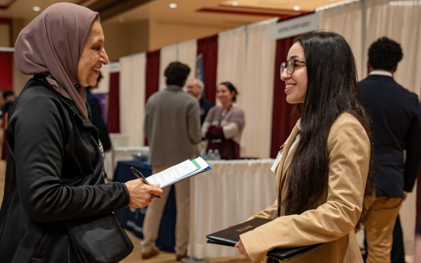
CS|Source, the department’s membership-based industry partnership program, offers its industry partners opportunities to connect with our undergraduate and graduate students through career fairs, technical workshops, information sessions, professional panel discussions, tech challenges, and myriad social events.
During the semester, students receive a weekly email with information about upcoming workshops, events, career opportunities, and engagements with industry partners.
Career and Professional Development (CPD) provides Virginia Tech students and recent graduates with an array of career preparation resources and guidance, including:
- Professional photos
- Professional clothing closet
- Skills training for job searches
- In-depth exploration of career pathways
- Workshops
- One-on-one career counseling appointments
Handshake, managed by Virginia Tech's Career and Professional Development Office, organizes and advertises available career and research opportunities.
Much like CS Job Hub, students can build a profile in the system and be matched with new and existing opportunities. CPD offers a how-to video to get setup on Handshake.
The LinkedIn Learning training library is free to Virginia Tech students and offers more than 17,000 on-demand courses and learning paths designed to help users gain new skills and knowledge. New content is added weekly to keep up with evolutions in technology and software.
The Department of Computer Science offers technical interview preparation workshops led by CS|Source member companies in the fall and spring semesters.